


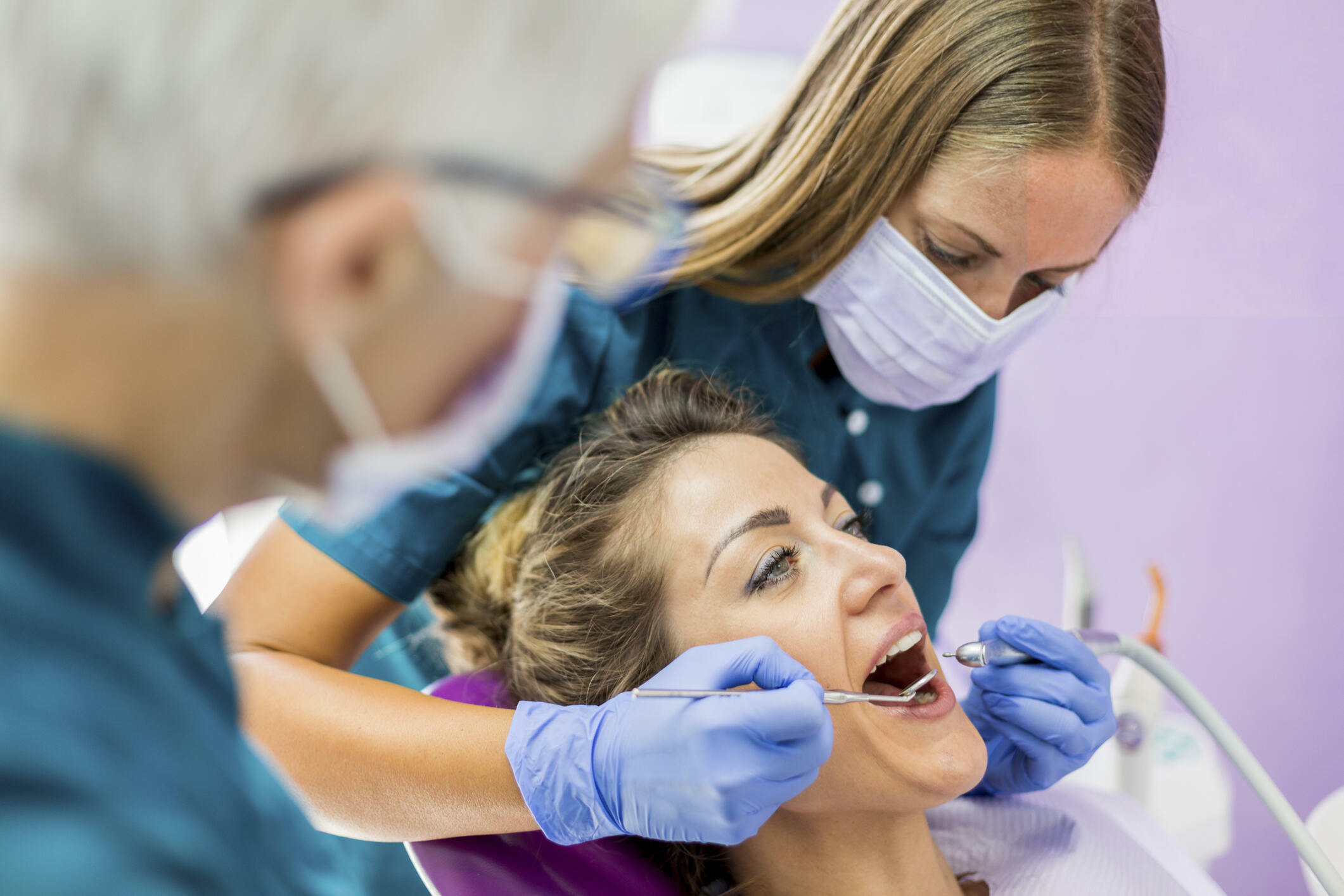
A dental clinic is a facility where professionals provide care for your teeth, gums, and mouth. These practices serve people of all ages, and they address a wide range of needs, from routine cleanings to more involved procedures. Whether you have a specific concern or simply want to maintain your oral health, a dental clinic offers services designed to support both function and appearance.
What Is a Dental Clinic?
A dental clinic offers services to treat and oversee a patient’s oral health. Preventive care includes routine examinations, professional cleanings, and screenings. During a cleaning, a hygienist removes plaque and tartar buildup that regular brushing may miss. Examinations often involve checking the teeth and gums, and clinics can take X-rays to view areas not visible to the eye.
Restorative treatments address teeth that have been damaged or lost, and common services include fillings, crowns, bridges, and dental implants. These procedures aim to restore the shape and function of affected teeth. Cosmetic services focus on the appearance of your smile. Options in this category can include teeth whitening, veneers, and bonding. Clinics may also provide orthodontic solutions, such as braces or clear aligners, to help align teeth.
Other services can include:
- Tooth extractions
- Root canal treatment
- Gum care and periodontal services
- Treatment for dental emergencies, such as a broken tooth or sudden pain
- Care tailored to children, often called pediatric dentistry
Some practices specialize in specific areas, while others provide general care and refer patients to specialists when needed.
When Should You Visit One?
It is typically suggested to schedule a routine visit about twice a year, but the right frequency can depend on your individual needs. Some people benefit from more frequent visits, while others may need fewer. A dentist can recommend a schedule that suits your situation.
Beyond routine checkups, certain signs suggest you should book an appointment sooner. These include:
- Tooth pain that is persistent
- Bleeding, swollen, or tender gums
- Teeth that are chipped, cracked, or loose
- Difficulty chewing or discomfort while eating
- Severe sore or wound in the mouth
New symptoms can prompt people to seek care, and acting promptly helps address small problems before they grow. If you experience sudden or severe discomfort, clinics may offer emergency appointments to handle urgent concerns. Life changes can also affect your dental needs. Certain medications and shifts in overall health may influence oral health, so keeping your dentist informed helps them adjust your care.
What Are the Benefits?
Regular dental care offers several practical advantages that extend beyond a clean set of teeth. Catching a small cavity or a minor gum concern early can mean simpler and less involved treatment later, and routine visits allow a dentist to spot these issues in their early stages. Healthy teeth and gums support activities you rely on each day, such as eating and speaking clearly. Addressing problems helps maintain comfort during these tasks. During visits, a dentist can offer tips suited to your habits, such as advice on brushing technique or product choices. This guidance empowers you to care for your mouth between appointments.
Seek Professional Dental Care
Preventive care, restorative treatments, and cosmetic options all play a role in keeping your mouth in good condition. Recognizing the signs that call for a visit, as well as keeping a regular schedule, may help you stay ahead of common concerns. Steady daily habits, such as brushing twice a day and flossing, support the work done at the clinic in between visits; with attention and consistency, you can maintain a healthy smile.
