


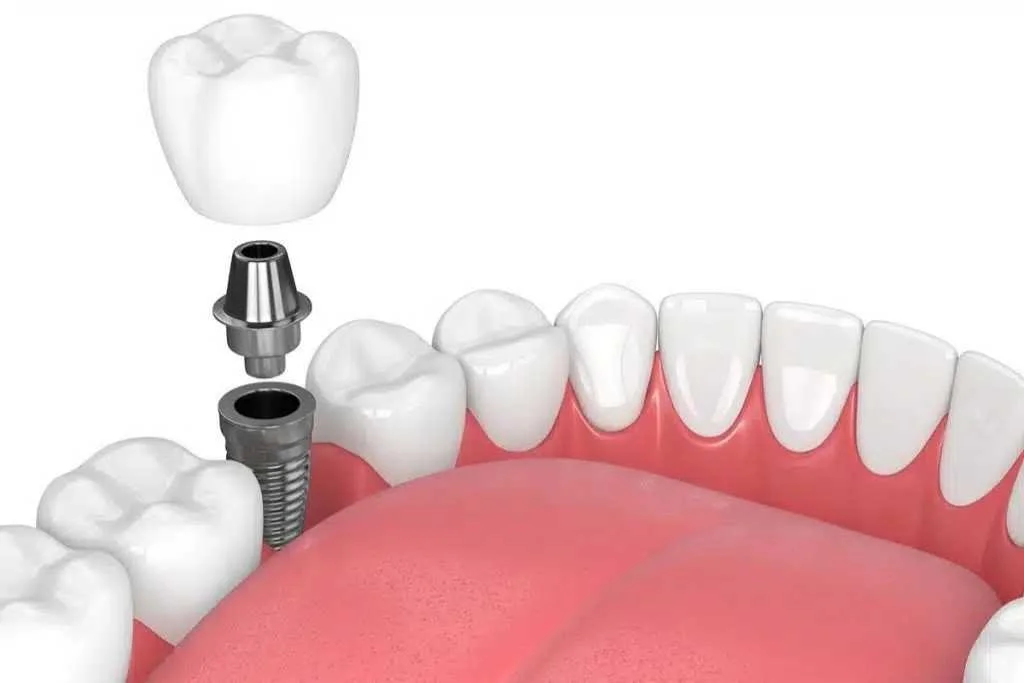
Dental implants replace missing teeth with durable solutions. You may wonder which option fits your needs, and your provider will guide you through each choice. Modern implant restoration methods rely on advanced materials, and they support healthy function while restoring your smile.
Understand Endosteal Implants
Endosteal dental implants sit directly within the jawbone. A titanium post anchors the implant, and it fuses with bone over several months. Your provider places the post first, and once healing finishes, she attaches crowns that complete the tooth structure. These implants suit patients with sufficient bone, though your provider will confirm your eligibility through imaging. Crowns cap the visible portion of each implant. Each crown is made from modern materials chosen to match your natural teeth. Your provider measures carefully, so the fit stays comfortable and secure. Here is what to know about crowns with endosteal implants:
- Crowns restore chewing function and blend with surrounding teeth.
- Materials are selected to match your natural tooth color and shape.
- Custom measurements aid a secure, comfortable fit.
- Crowns are attached only after the implant site has fully healed.
Discover Subperiosteal Implant Benefits
Subperiosteal implants rest on top of the jawbone. A metal frame supports the restoration, and it sits beneath the gum tissue, not inside the bone. Your provider recommends this type when bone height is limited, though she may suggest alternatives after evaluation. The frame is designed to distribute pressure evenly, and it anchors securely without penetrating the bone. This method avoids extensive bone grafting, making it a practical choice for many.
The frame holds posts that extend through the gums, and crowns attach to those posts once healing is complete. Your provider uses precise techniques here, and since the frame is custom-made, it conforms to your unique anatomy. Recovery time varies by patient, and your provider will give you a clear timeline during your consultation. She monitors healing closely. She adjusts your care plan if needed to keep your progress on track.
Discuss Zygomatic Implant Solutions
Zygomatic implants anchor into the cheekbone rather than the jawbone. Your provider reserves this option for specific cases, though she will discuss whether it applies to you during your consultation. Because this technique bypasses bone grafting, it can be a practical solution for patients with severe bone deterioration. Your provider will assess your bone structure carefully, so they can recommend the right path. These implants are longer than typical posts, reaching the dense cheekbone for a stable anchor. The zygomatic bone provides a firm foundation, and crowns attach to complete the restorations. Your provider works with specialists for these procedures, and since the technique is advanced, she coordinates care with the appropriate experts. She will walk you through each step you will take.
Schedule Dental Implants Today
Each implant type serves a different situation. Your provider reviews your bone health, and they recommend the option that matches your needs. You can ask questions during your visit, and because they use modern materials and proven methods, you will leave with a clear treatment plan.
