


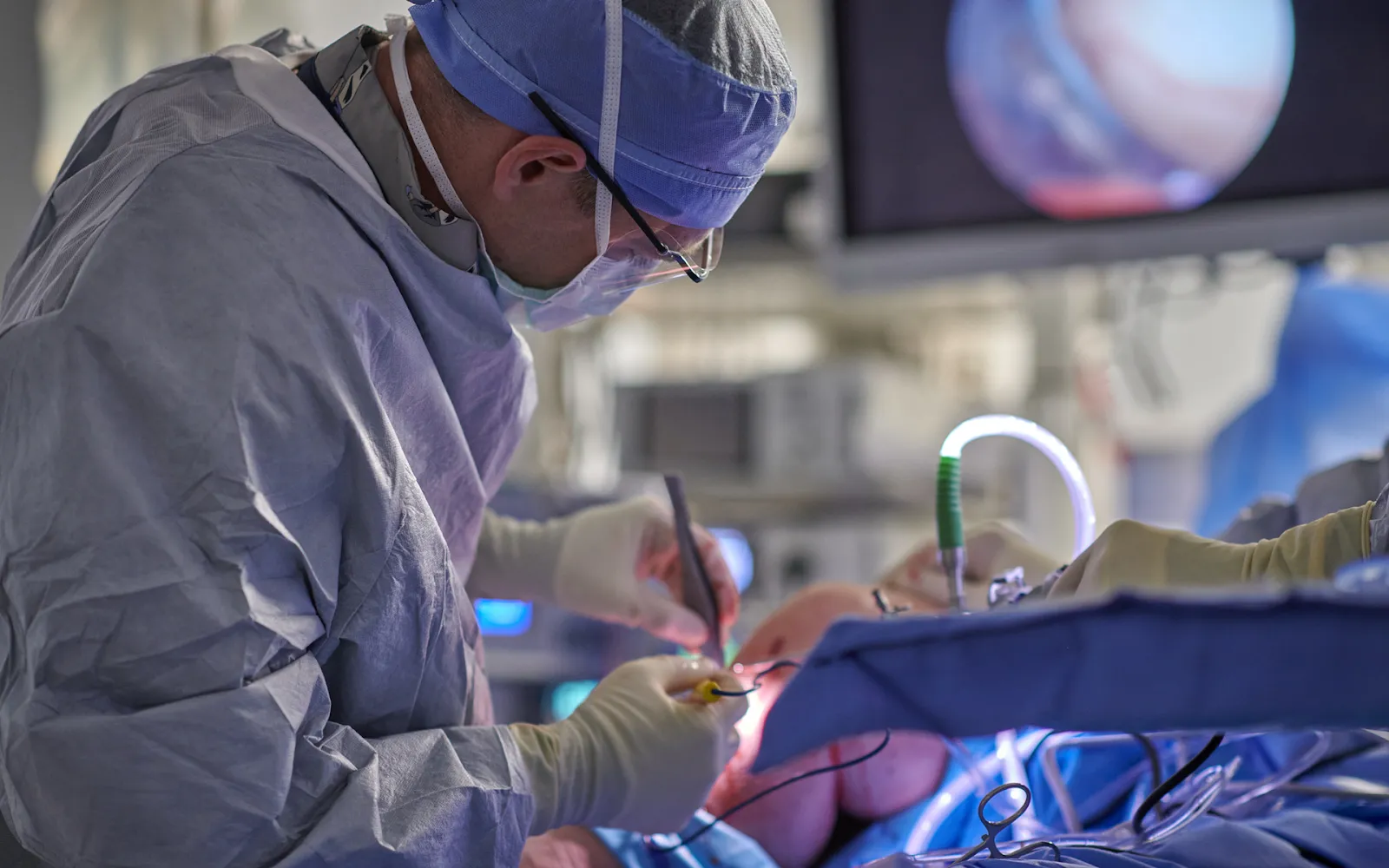
Orthopedic surgery treats problems in your bones, joints, muscles, and connective tissue. Surgeons repair damage, and they also correct alignment or replace worn joints. When conservative care stops working, this branch of medicine offers direct structural solutions. Here is more information on how surgery can help enhance your quality of life:
Eliminating Chronic Pain
Chronic pain can be caused by damaged cartilage, pinched nerves, or degenerated joints. Surgeons identify the source, and they target the tissue causing the problem. Since the pain stems from a physical issue, addressing that structure changes how the joint functions. This shift may reduce the constant signals your body sends.
Some patients live with pain for years before orthopedic surgery becomes an option. A joint replacement removes the damaged surface, and a new implant takes its place. When the worn tissue is gone, the mechanical friction that triggered discomfort often decreases.
Restoring Physical Mobility
Stiff joints limit how far you bend, reach, or walk. Surgery addresses the mechanical block, and physical therapy follows to rebuild strength. Since scar tissue and inflammation restrict motion, targeted procedures free the affected area. Recovery timelines depend on the joint involved.
After a procedure, patients typically work through a structured rehabilitation plan. Typical mobility goals include:
- Bending and straightening the knee fully
- Climbing stairs without assistance
- Standing for longer periods
The plan sets measurable targets, and your care team tracks each stage. Since progress happens gradually, small gains build over weeks. Consistent effort during recovery supports the surgical result.
Correcting Structural Issues
Some conditions involve bones or joints that grew or shifted out of alignment. Surgeons realign the structure, and they may use plates, screws, or grafts to hold it. Since misalignment strains surrounding tissue, correction aims to reduce uneven wear. This work aims to prevent further deterioration.
Structural correction applies to a range of diagnoses. Scoliosis, bunions, and fracture malunions each require different techniques. When the alignment improves, the mechanical load spreads more evenly across the joint. Surgeons plan each case based on imaging and measurements.
Bone deformities also may affect how you stand and move. A corrective osteotomy reshapes the bone, and fixation devices stabilize it during healing. Since the body needs time to fuse the corrected segment, weight-bearing follows a set schedule. Your surgeon outlines these restrictions clearly.
Rebuilding Daily Independence
Difficulty with daily tasks often drives people toward surgical treatment. Restored joint function supports activities you may have paused. These include:
- Dressing without help
- Cooking and carrying items
- Driving safely
As independence relies on movement, improved function affects your routine directly. The care team measures your progress against practical goals. Each task you regain reflects a specific recovery milestone. Occupational therapists guide this process.
Returning to work or hobbies takes planning. Your surgeon reviews your job demands, and they set realistic activity limits. Since overexertion risks setbacks, following the schedule protects your results.
Schedule Orthopedic Surgery Near You
Orthopedic surgery addresses pain, mobility loss, and structural problems through targeted procedures, and recovery depends on your diagnosis, and results differ across patients. Since every case is unique, a consultation gives you accurate information about your options. If joint pain or limited movement affects your daily life, schedule an evaluation. Contact an orthopedic clinic near you to get started.
