

Close Menu
    What's Hot

    The Role of a Low Testosterone Specialist in Diagnosis and Treatment

    July 24, 2026

    How Orthopedic Surgery Can Enhance Quality of Life

    July 24, 2026

    What Parents Should Watch for to Prevent Bunions in Children

    July 24, 2026
    Facebook X (Twitter) Instagram
    Facebook X (Twitter) Instagram
    zlumeword.com
    SUBSCRIBE
    • Home
    • Cardiology
    • Dermatology
    • Gynecology
    • Pain Management
    • Mentel Health
    • Lifestyle
    zlumeword.com
    Home ยป What Parents Should Watch for to Prevent Bunions in Children
    Health

    What Parents Should Watch for to Prevent Bunions in Children

    Oliver JaneBy Oliver JaneJuly 24, 2026No Comments3 Mins Read
    Prevent Bunions in Children
    Share
    Facebook Twitter Reddit Telegram Pinterest Email

    Bunions can begin developing during childhood due to inherited foot structure, poorly fitting shoes, or abnormal walking patterns. Parents can reduce the risk by monitoring changes in foot shape and addressing pain or discomfort early. Here is more information on what parents should watch for to help prevent bunions in children:

    Early Foot Changes

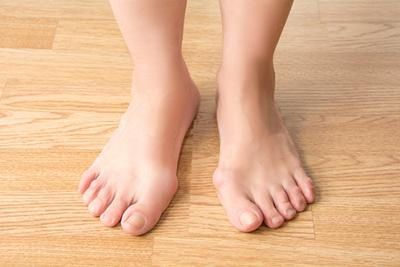
    The first signs of bunions often appear at the joint where the big toe meets the foot. These shifts can be subtle, but regular checks make them easier to catch, and early awareness gives you time to act. Pay attention to how your child’s feet look when standing barefoot. Here are certain visible signs that deserve closer attention:

    • A visible bump at the base of the big toe: This bony prominence signals that the joint is shifting outward.
    • Toes that crowd or overlap: Crowding can point to pressure that pushes the toes together.
    • Redness or thickened skin over the joint: Irritation often forms where footwear rubs against the bump.

    Painful Walking Patterns

    How a child walks can reveal a lot about foot health. Some children change their gait to avoid discomfort, and this can appear as limping, toe-walking, or an uneven stride. Watch how your child moves after long play sessions, because tired feet often show problems more clearly.

    Foot pain is another signal worth tracking. A child may not describe pain directly, but they avoid certain shoes, ask to sit down often, or rub the side of the foot. When these behaviors repeat, they may point to pressure near the big toe joint, and noting the pattern helps you explain it later. Note when the discomfort appears, which activities trigger it, and whether it fades with rest.

    Properly Fitting Footwear

    Footwear plays a major role in how a child’s feet develop. Shoes that pinch the toes or squeeze the front of the foot can push the big toe out of line over time, increasing the risk of bunions. A good fit leaves room for the toes to spread, and it supports natural movement. When you shop for shoes, here are a few features that can make a difference:

    • A wide toe box: Extra room lets the toes sit naturally without crowding.
    • Flexible and supportive soles: These allow the foot to bend where it should while holding shape.
    • Secure fastening: A firm hold stops the foot from sliding forward into the toes.

    Relevant Family and Activity Risks

    Family history can influence how a child’s feet develop, so knowing your background is useful. When bunions run in the family, the shape and structure of the foot may make changes more likely. This does not guarantee bunions will form, but it does mean closer monitoring is a fundamental step.

    Daily activities also influence foot health. Children who spend long hours in tight shoes, dance flats, or cleats may experience more pressure on the big toe joint. Balance is key, and mixing high-pressure activities with barefoot time at home can ease strain on growing feet. Talk with your child about how their feet feel during and after activities. Encourage them to speak up when shoes feel tight or a joint aches, and treat those comments as useful data.

    Get Expert Care for Bunions

    Proper foot care during childhood is fundamental for preventing issues such as bunions and supporting long-term mobility. Balancing activities that place pressure on the feet with periods of rest and paying attention to shoe fit are key steps in maintaining healthy and growing feet. Contact a qualified foot and ankle specialist near you to schedule your appointment and get expert care for bunions today.

    Share. Facebook Twitter Pinterest LinkedIn Telegram Reddit Email
    Previous ArticleHow To Know If You Have a Food Allergy
    Next Article How Orthopedic Surgery Can Enhance Quality of Life
    Oliver Jane
    • Website

    Related Posts

    The Role of a Low Testosterone Specialist in Diagnosis and Treatment

    July 24, 2026

    How Orthopedic Surgery Can Enhance Quality of Life

    July 24, 2026

    How To Know If You Have a Food Allergy

    July 24, 2026

    Collaborative Approaches Between General Surgeons and Wound Care Specialists

    July 24, 2026

    The Role of Genetic Screening in Obstetrics

    July 24, 2026

    Exploring the Long-term Effects of ACL Tear Injuries

    July 24, 2026
    Add A Comment
    Leave A Reply Cancel Reply

    Demo
    Stay In Touch
    • Facebook
    • Twitter
    • Pinterest
    • Instagram
    • YouTube
    • Vimeo
    Don't Miss

    The Role of a Low Testosterone Specialist in Diagnosis and Treatment

    By Oliver JaneJuly 24, 2026

    Low testosterone can affect different aspects of men’s health and daily routines. Symptoms such as…

    How Orthopedic Surgery Can Enhance Quality of Life

    July 24, 2026

    What Parents Should Watch for to Prevent Bunions in Children

    July 24, 2026

    How To Know If You Have a Food Allergy

    July 24, 2026
    About Us
    About Us

    ZlumeWords delivers informative, engaging, and trustworthy content on business, technology, health, finance, lifestyle, and trending topics worldwide.

    Email Us: hazeleva.co.uk@gmail.com
    Contact: +44 7395 617407

    Our Picks

    How To Know If You Have a Food Allergy

    July 24, 2026

    Collaborative Approaches Between General Surgeons and Wound Care Specialists

    July 24, 2026

    Effective Strategies for Managing Neck Pain

    July 24, 2026
    New Comments
      Facebook X (Twitter) Instagram Pinterest
      • About Us
      • Get In Touch
      • Privacy Policy
      © 2026 zlumeword.com.

      Type above and press Enter to search. Press Esc to cancel.

      Powered by
      ►
      Necessary cookies enable essential site features like secure log-ins and consent preference adjustments. They do not store personal data.
      None
      ►
      Functional cookies support features like content sharing on social media, collecting feedback, and enabling third-party tools.
      None
      ►
      Analytical cookies track visitor interactions, providing insights on metrics like visitor count, bounce rate, and traffic sources.
      None
      ►
      Advertisement cookies deliver personalized ads based on your previous visits and analyze the effectiveness of ad campaigns.
      None
      ►
      Unclassified cookies are cookies that we are in the process of classifying, together with the providers of individual cookies.
      None
      Powered by

      WhatsApp us