


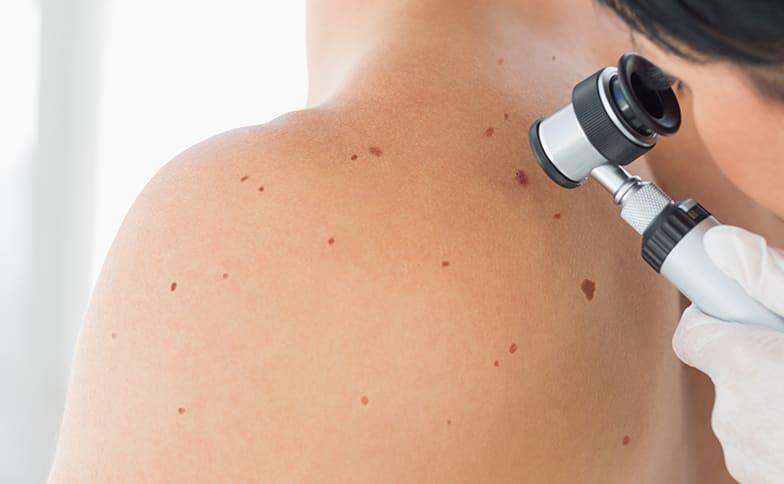
Skin cancer screenings are routine examinations that a medical professional performs to detect abnormal skin growths or changes. Early detection helps improve treatment outcomes, and regular screenings allow medical professionals to identify abnormalities before they progress. Since early intervention can improve survival rates, screenings are a practical part of long-term health management. Here is more information on how screenings work and the benefits they offer:
What Is Skin Cancer?
Skin cancer occurs when abnormal skin cells grow uncontrollably. UV radiation is a primary cause. It typically develops in areas of frequent sun exposure, such as the face, neck, arms, and hands, where UV damage accumulates over time. The three most common types are basal cell carcinoma, squamous cell carcinoma, and melanoma; each varies in severity and treatment approach.
Melanoma is the most aggressive form of skin cancer, and it can spread to other organs if left untreated. Early detection is beneficial. Basal cell and squamous cell carcinomas are more common, and while they are generally easier to treat, early detection remains integral for positive outcomes. Identifying both the type and stage of cancer determines the most appropriate course of treatment.
What Are Skin Cancer Screenings?
Skin cancer screenings are medical examinations designed to detect cancerous or precancerous skin changes. A trained healthcare provider performs the examination, and the skin is assessed for abnormalities that may require further investigation. Screenings can be done as standalone appointments or as part of a broader preventive care visit. For patients with a prior cancer diagnosis, screenings serve a different function than general prevention. They allow healthcare providers to monitor previously treated areas and track new developments, so they can identify recurrences as early as possible.
What Do They Involve?
A standard screening begins with a full-body visual examination, during which the provider systematically inspects the skin from the scalp to the soles of the feet. A dermatoscope, which is a handheld magnifying tool, is used to examine suspicious lesions more closely. If a growth or lesion appears concerning, the provider may recommend a biopsy; this procedure involves removing a small sample of skin tissue for laboratory analysis. A lab analyzes the tissue sample for cancerous cells. Patients are also encouraged to report any changes they have noticed between appointments, including:
- New moles or growths
- Changes in color, size, or shape of existing spots
- Sores that do not heal within several weeks
This information helps the provider make a more accurate assessment during the examination.
How Are Regular Screenings Beneficial?
Early detection is a key benefit of routine screenings. When melanoma is identified at a localized stage, survival rates may improve. Screening frequency influences how early abnormalities are caught. Patients with a history of skin cancer face an elevated risk of developing a second primary cancer, and regular screenings provide a structured system for monitoring the skin over time. This reduces the likelihood that a recurrence goes unnoticed.
When patients undergo screenings, they also have an opportunity to learn self-examination techniques that they can use between appointments. Healthcare providers can outline what to look for between appointments, and they advise on protective measures such as broad-spectrum sunscreen and UV-protective clothing. This strengthens overall skin health management.
Book a Screening Today
Skin cancer screenings are a structured, non-invasive process that gives patients and providers actionable information; routine examinations help improve outcomes. If you are looking to evaluate your skin health, contact a healthcare provider to schedule a screening. Patients with a history of cancer should discuss an appropriate screening frequency based on their individual risk profile.
