


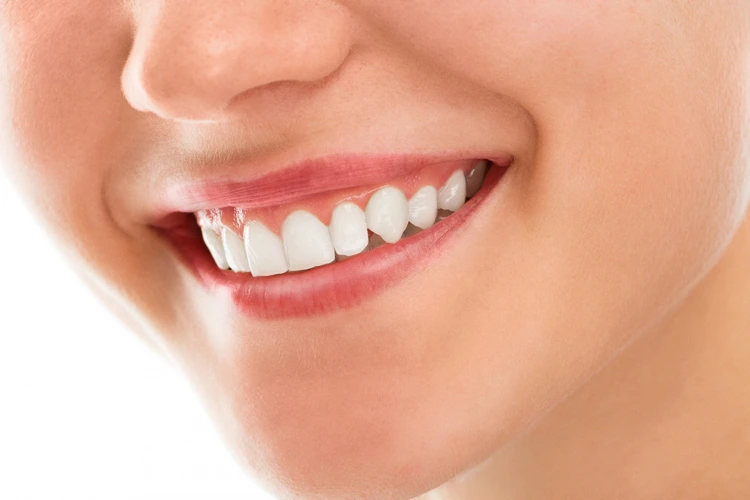
Teeth whitening removes stains and lightens the color of your teeth, and in-office treatments typically work more effectively. Many patients ask how the process works, and the answer starts with tooth structure. When you understand the science, you make smarter choices about your smile. Here is more information on the science behind teeth whitening:
Yellowed Dentin
Your teeth have layers, and the inner layer is called dentin. Dentin carries a natural yellow tone, so it shows through the outer enamel over time. The enamel thins as you age, which lets more of that yellow color appear.
Surface stains build up from what you eat and drink. If you skip regular cleanings, the buildup grows harder to remove at home. Coffee, tea, and red wine can leave pigment on your enamel, and these stains darken teeth.
Medical-grade Whitening Solution
Professional teeth whitening uses stronger agents than store-bought kits. A dentist applies a gel with hydrogen peroxide or carbamide peroxide, and the concentration is higher than most products you buy. In many cases, this controlled strength works faster during a single visit.
Dentists protect your gums before treatment begins. Since a trained professional performs the process, you get a treatment matched to your teeth. They place a barrier over soft tissue, so the gel stays on the enamel where it belongs.
While you sit, the gel sits on your teeth for a set time. Some clinics add a special light to speed the reaction, and this step targets the whitening agent. You typically rest in the chair while the solution does its work.
Oxidized Effect
Peroxide breaks down into oxygen molecules once it touches your teeth. These molecules move through the enamel, and they reach the stained areas inside. The chemical reaction that follows is called oxidation. Oxidation splits the stain molecules into smaller pieces. Smaller pieces reflect less color, so the stains look lighter to the eye. When the pigment breaks apart, your teeth appear brighter.
Whitened Teeth
After treatment, your teeth show a lighter shade. The result depends on your starting color, and deeper stains may need more than one session. Your dentist tracks the shade change with a color guide.
Whitening does not last forever. New stains form as you keep drinking coffee or wine, so results fade over months. A few habits help you keep your teeth bright longer:
- Rinse with water after dark drinks
- Brush twice a day with fluoride toothpaste
- Book regular cleanings with your dentist
Some patients feel mild sensitivity after a session. This feeling usually fades within a day or two, and your dentist may suggest a gentle toothpaste. Follow the care steps you receive, and let the office know if discomfort lingers.
Schedule Teeth Whitening Today
Professional whitening gives you a controlled, dentist-guided option for a brighter smile. Your dentist checks your teeth first, so the treatment fits your needs. Booking an appointment is straightforward, and online tools stay open all day. Call an office or reserve a spot online to plan your visit; talk with a dental team today and take the next step toward the smile you want.
