


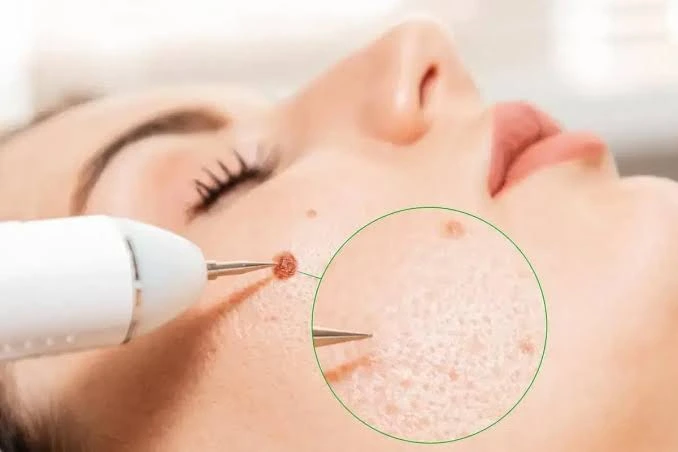
Skin cancer develops when abnormal cells grow in the skin, often due to sun exposure or other sources of ultraviolet radiation. Three main types exist: basal cell carcinoma, squamous cell carcinoma, and melanoma. Basal and squamous cell carcinomas are the most common, while melanoma is less common but tends to spread more readily. Mohs surgery is a common treatment for many skin cancers, and it works by removing thin layers of tissue one at a time. During skin cancer surgery, doctors examine each layer under a microscope until no cancer cells remain, which helps preserve healthy tissue.
Utilizing Pain Management
After your skin cancer surgery, post-operative care supports your recovery. Pain levels vary from person to person, and the location and size of your wound can influence how much discomfort you feel. Individuals who have surgery on their scalp, or whose wound is larger than 3 square centimeters, commonly have more pain than those who have the procedure on other areas. Your surgeon will guide you on managing discomfort during recovery.
Follow the instructions you receive about medication timing and dosage. For small areas, over-the-counter medications may be enough to manage pain. Many people find that discomfort eases within the first few days after surgery as the initial swelling settles. Track how you feel, and contact your care team if your pain increases or doesn’t improve as expected. Rest during early recovery can also make a noticeable difference in your comfort and healing rate.
Supporting Healing
Healing takes time, and how you care for your wound in the first weeks greatly affects your overall recovery. During early recovery, avoid strenuous exercise for about a week to give the treated area time to settle. Physical strain can pull at the wound and interfere with early healing.
You can apply ice or cold packs regularly to help manage swelling, but do not place them directly on your healing skin. Wrap any cold pack in a clean cloth before use. Your surgeon will inform you on how to keep your wound clean. Scars from Mohs surgery continue to heal for 12 to 18 months, so patience is key to the healing process. During this time, your scar’s appearance will gradually change.
Protect the site from sun exposure once it has closed, and ask your care team about products that may support the appearance of your scar. Keeping the wound moist and covered, as directed, is often part of standard aftercare. Many practitioners recommend applying petroleum jelly to wounds after gentle cleansing to prevent them from drying out; this also helps prevent wound dressings from sticking to your wound. Attend any follow-up appointments so your surgeon can monitor your progress.
Getting Scar Revisions
A scar revision aims to improve the appearance of an existing scar. It may involve removing the old scar tissue and closing the area again with different techniques, or using methods that reshape the surrounding skin. Some revisions rely on surgical approaches, while others use less invasive options such as certain topical treatments or resurfacing techniques. A surgeon will assess the area and discuss which options may suit your situation, but the appropriate approach for you depends on your scar’s:
- Size
- Location
- Characteristics
Waiting until the scar has matured can give a clearer picture of what a revision might address.
Recover After Skin Cancer Surgery
Recovery after Mohs surgery involves managing discomfort, supporting wound healing, and understanding your longer-term options. Each stage takes patience, but your care team will guide you through the process with instructions tailored to your situation. After surgery, watch how the treated area responds, attend your follow-up appointments, and reach out with any questions or concerns. To learn more about preparing for your recovery plan, contact a dermatologist who specializes in Mohs surgery today.
