


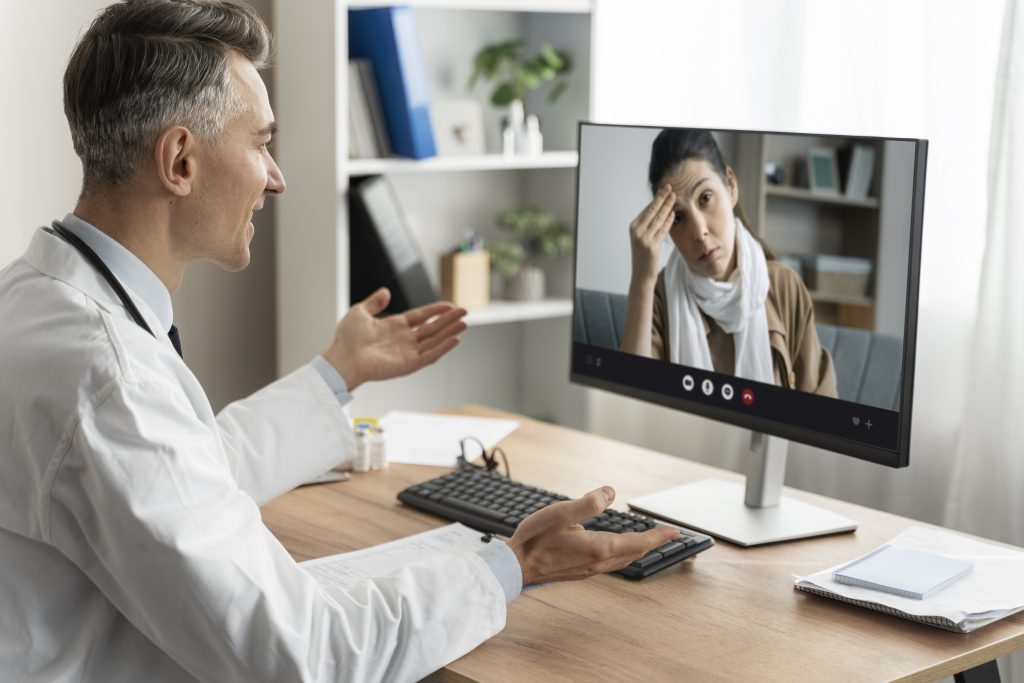
Telehealth nursing services connect patients with licensed nurses, and this is performed through video calls, phone calls, or secure messaging. Rural residents typically live far from clinics, and many local hospitals have limited staff. When distance makes in-person care difficult, a virtual nursing visit offers another option. This is how telehealth works and what it may offer your household:
Secure Platform
Before your appointment begins, the provider sends a link to a protected video platform. Telehealth platforms use encryption to scramble data during transmission. Outsiders see only unreadable code, and approved users alone join the session.
You need a username and password, or the system may send a one-time code to your phone. These steps add protection because a stolen password alone will not open your account. Before you begin, ask your provider about their platform and its security features. Reputable services follow federal HIPAA privacy standards.
Convenient Access
Rural clinics typically keep short hours, and specialists visit only once a month. Telehealth nursing may offer extended appointment slots. If you have a smartphone, tablet, or computer, you can join a visit from home. Virtual nursing services include:
- Medication reviews and refill questions
- Check-ins for diabetes or high blood pressure
- Wound care follow-ups using your camera
- Recovery monitoring after surgery
- Guidance on whether you need urgent or emergency care
A stable internet connection improves video quality. If your signal drops, many nurses switch to a phone call. Test your camera before the visit, and keep your medication list nearby. Your nurse may also ask for recent blood pressure or glucose readings.
Avoided Travel
A round trip to a regional hospital typically takes several hours in rural areas. Patients who drive long distances might lose a full day of work or school. Gas can add up quickly, and winter roads may make the trip unsafe. Some families delay care because the trip feels too difficult.
Since the nurse meets you online, you skip the drive, the parking, and the waiting room. Parents avoid arranging childcare, and caregivers avoid moving a frail relative. Older adults without reliable transportation also gain another way to reach care.
Telehealth does not replace every in-person visit. Lab work and imaging still require a facility, and some exams need hands-on assessment. Your nurse will tell you when an in-person appointment makes more sense.
Protected Private Information
When you share health details during a visit, federal law protects that information. Your own habits also affect your privacy. If others share your home, choose a quiet room with a closed door. Public Wi-Fi may expose data more easily, and shared devices may store your login details. Follow these steps during each visit:
- Use a password-protected home network
- Close other apps and browser tabs
- Wear headphones if others are nearby
- Log out completely when the visit ends
Schedule Telehealth Nursing Services
Some insurance plans cover telehealth, and this may cover some virtual nursing services. Before you book, call your insurer to confirm your benefits. Then contact a nursing clinic to schedule a telehealth nursing appointment. A team of medical staff can walk you through device setup before your first visit.
