


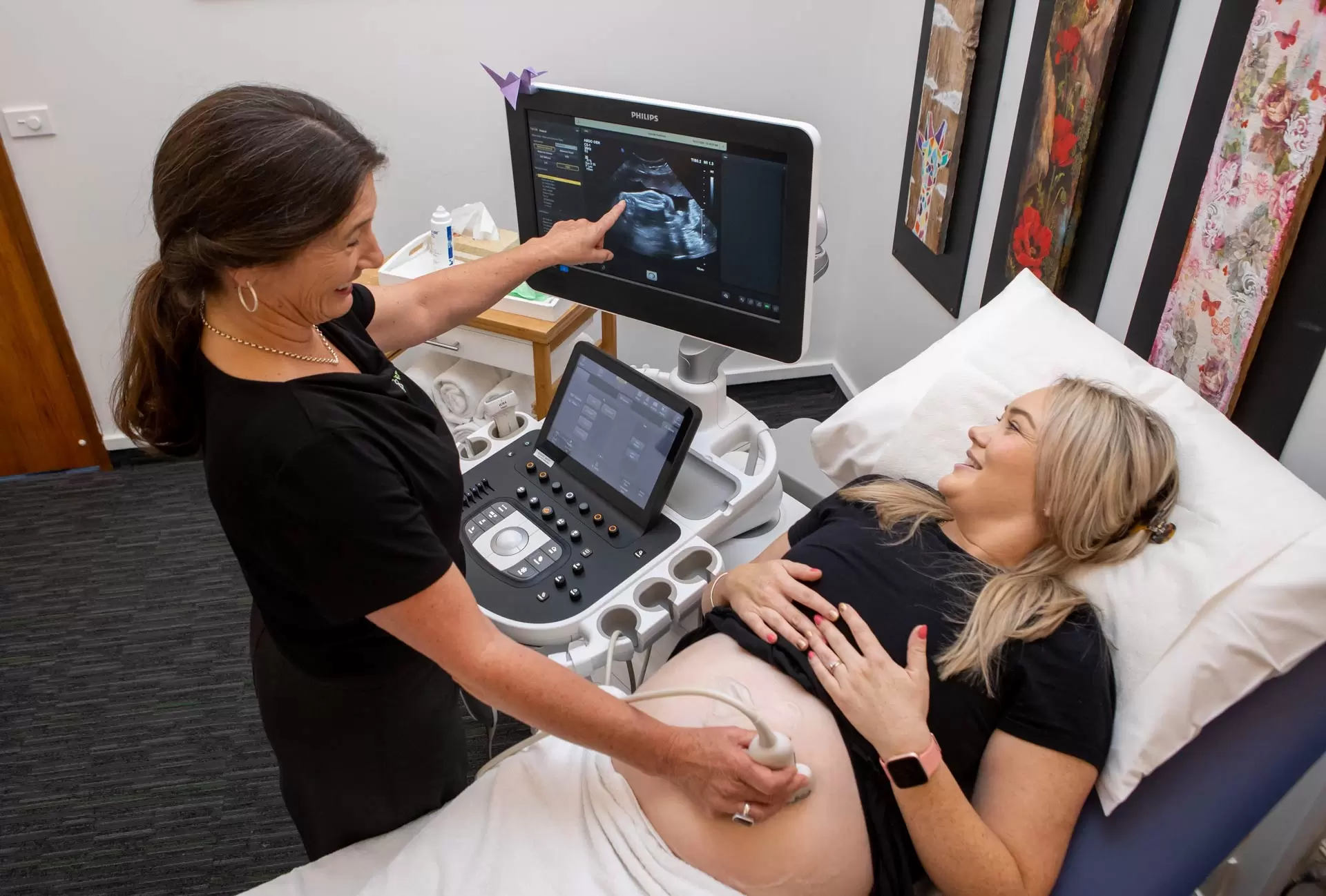
Genetic testing is a common part of modern pregnancy care. Expecting parents may encounter it during routine obstetrics visits, where healthcare providers offer screenings that examine the health of a developing baby. These tests can provide information about the likelihood of certain inherited conditions, and this gives families more information about their pregnancy.
What Is Obstetrics?
Obstetrics is the branch of medicine focused on pregnancy, childbirth, and the period shortly after delivery. Physicians who specialize in this field are known as obstetricians. They monitor the health of both the pregnant patient and the developing baby; these specialists offer care from the earliest weeks of pregnancy through labor and recovery. Throughout pregnancy, an obstetrician oversees a range of services. These may include regular checkups, ultrasound imaging, blood work, and guidance on nutrition and lifestyle.
Obstetricians can also manage possible complications, such as high blood pressure, gestational diabetes, or concerns related to fetal growth. Many obstetricians also practice alongside gynecology, and this forms a combined specialty often referred to as OB-GYN. This pairing allows a single provider to address reproductive health across different life stages. The goal of obstetric care is to support a healthy pregnancy and delivery. Regular visits allow providers to track progress, respond to changes, and share information that helps patients make decisions about their care.
What Is Genetic Testing?
Genetic testing examines a person’s genes to gather information about their health. Genes carry the instructions that shape how the body develops and functions. When variations occur in these instructions, they can be linked to certain health conditions. Genetic testing looks for these variations, and it aims to offer insight that may not be visible through standard physical examinations.
There are several types of genetic testing. Screening tests estimate the chance that a condition may be present, and diagnostic tests aim to confirm whether a specific condition exists. Some tests analyze a blood sample, while others examine tissue or other biological material.
People can pursue genetic testing for many reasons. Some may want to learn about inherited conditions that run in their family, and others use testing to guide medical decisions or to understand the likelihood of passing a condition to their children. The results are meant to inform, giving patients and providers data for future planning.
What Role Does It Play?
Genetic testing in obstetrics helps assess the health of a developing baby, and it may identify the chance of certain inherited conditions. This information can support families and providers as they plan for the pregnancy and the care that follows delivery. Screening tests estimate the probability that a baby will have a particular condition, such as a blood test that analyzes fragments of fetal genetic material circulating in the mother’s blood.
When a screening suggests a higher likelihood of a condition, a provider may discuss diagnostic testing. These tests can confirm the presence of specific chromosomal or genetic conditions. Carrier screening is another form of genetic testing used in obstetrics. This test looks at whether one or both parents carry genes for certain inherited conditions. Couples may pursue carrier screening before pregnancy, and others complete it during early prenatal care. The results help families understand the chances of passing a condition to their child.
Consult a Women’s Health Specialist
Genetic testing is one part of a broad approach to prenatal care. A women’s health specialist may explain which tests apply to your situation, and they help to determine what a result reveals. To learn more about your options, reach out to a women’s health specialist who can support you throughout your pregnancy.
